
Feelings and the vulnerable public sphere
Few transformations have been as subtle and as consequential as the moment when feeling ceased to accompany argument and began to replace it.
There was a time when truth required patience. You had to stay in the room and listen to a position you disliked, perhaps even one that unsettled you, just to endure the slow discomfort of argument. Today, this would be unimaginable. A deeply destructive narrative of avoiding discomfort at any cost, has taken root, supported even within Western professional circles - circles that must ask themselves what share of responsibility they bear for the fact that modern society has become, in many ways, the very essence of non-resilience. It all began with the gradual collapse of trust in grand institutions - governments exposed in corruption, churches shaken by scandal, universities accused of ideological capture, media entangled with power. When collective authorities fracture, individuals retreat into the only territory that feels unassailable - personal experience.
What I feel cannot be disproven. And that is true. But what “I feel” is not the same as what “is”.
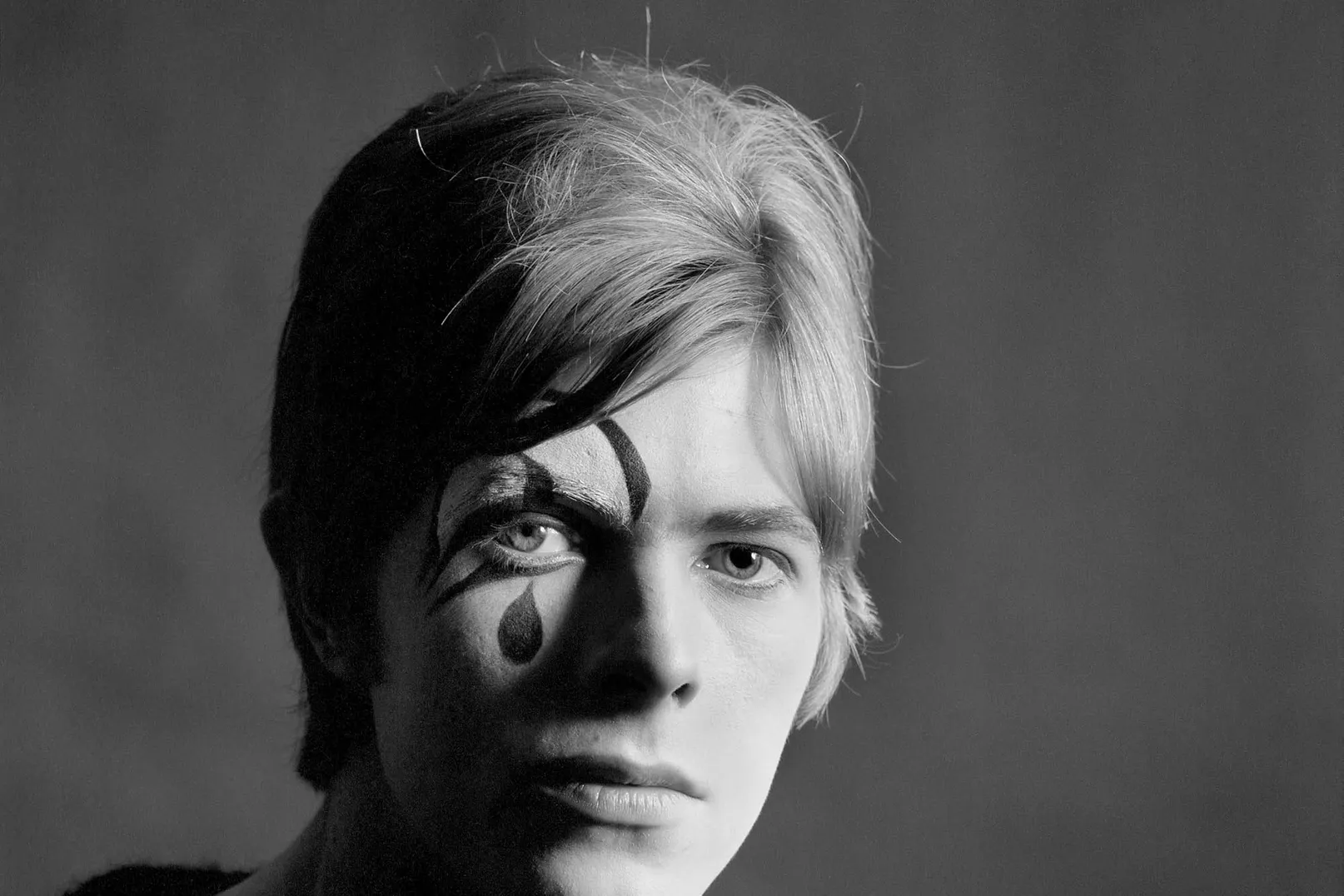
The Stoics believed that emotions were cognitive errors, exaggerated judgments about what truly matters. Existentialists regarded them as instruments through which the world reveals itself. Psychology, for its part, defines emotion as a short-lived, intense psychophysiological state arising in response to the appraisal of an internal or external situation, encompassing subjective experience, bodily changes, and a tendency toward specific behavior. Today, however, emotion can be described as an argument. It sits firmly on a throne from which it often looks down with quiet condescension upon critical thinking, data verification, and other cognitive processes.
At the core of cognitive intelligence lies the ability to distinguish information from interpretation. This inability, or unwillingness to make that distinction marks a crisis of cognition. Information describes; interpretation assigns meaning. When a society fails to understand both the importance of this distinction and the process required to apply the necessary filters between the two, public discourse devolves into a theatre of defended selves. Collective consciousness disappears, and a fragile “I” steps forward, eager for acceptance, applause, affirmation. From this kind of discourse a diffuse form of narcissism is born - the kind that afflicts a large portion of both users and creators on social media. Virality is measured in tragedy, tears, and dramatic tension, in the necessity of a “wow” moment in which a “millionaire” rises from the mud, a new life resurrects itself despite adversity; in short, a cinematic script unfolds in which the audience refuses to confront anything truly realistic, paradoxically demanding ever more “authentic” content that has been carefully orchestrated to appear raw. In the leading role stands Emotion - theatrical and indispensable, aware of its own indispensability and powerful enough to punish anyone who dares to question its authenticity. Try to imagine the thinkers from Aristotle’s circle, in the middle of a philosophical debate about the meaning of life, suddenly having to put out a fire sparked because one of them recognized himself in a passing reflection on human weakness, and instead of returning to the argument, finding themselves entangled in the management of a wounded pride. The satire is disarming because it reveals that personalization is not the opposite of collectivity - it is its most efficient instrument. People believe they are defending their own identity, while in reality they are reacting in flawless coordination with others.
To continue reading, please log in or activate your subscription.