Big Ego and a Fragile Identity
What if the tension between who we appear to be and who we actually are is the true measure of our inner structure? From the amphitheaters of Greece to the corridors of power, we trace the contours of identity.

What if the tension between who we appear to be and who we actually are is the true measure of our inner structure? From the amphitheaters of Greece to the corridors of power, we trace the contours of identity.

From the enclosed courtyards of Morocco to the restless streets of Asia, architect Stefan Miloš reflects on how culture, light, and materials shape space and everyday life — and why good architecture endures across generations.

Talent reveals itself even through privilege. IIn the interplay between what is earned and what is received, the true measure lies in the weight of what one brings, not merely in the position one occupies.

From the early psychoanalytic case of Bertha Pappenheim to the tragic logic of Catherine Earnshaw in Wuthering Heights, identity, attachment and mythologies of passion shape the way we understand love.

In a world without peace, cultivating a conscious awareness of our surroundings, and of those with whom we share them, becomes the only true strategy for survival.

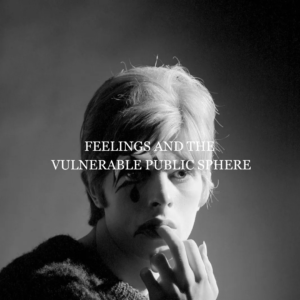
When feelings replace argument, and validation becomes the new currency of truth, identity is put to the test. Only those who can channel their emotions can remain stable in a world that measures everything in applause and drama.

What if the tension between who we appear to be and who we actually are is the true measure of our inner structure? From the amphitheaters of Greece to the corridors of power, we trace the contours of identity.