
Nepotism – Condemnation of Privilege or Condemnation of The Untalented
There is something almost gratifying about the way we use the word nepotism. It carries the weight of a verdict already delivered, as though simply naming it was enough to restore a sense of moral order. In that moment, the world seems to fall back into balance. Someone has received something they do not deserve, and we have recognised it. That brief sense of satisfaction, however, is unsettled by a far more uncomfortable truth: behind the word nepotism lies not only injustice, but the realisation that the world has never even attempted to be fair in the way we imagine it should be.
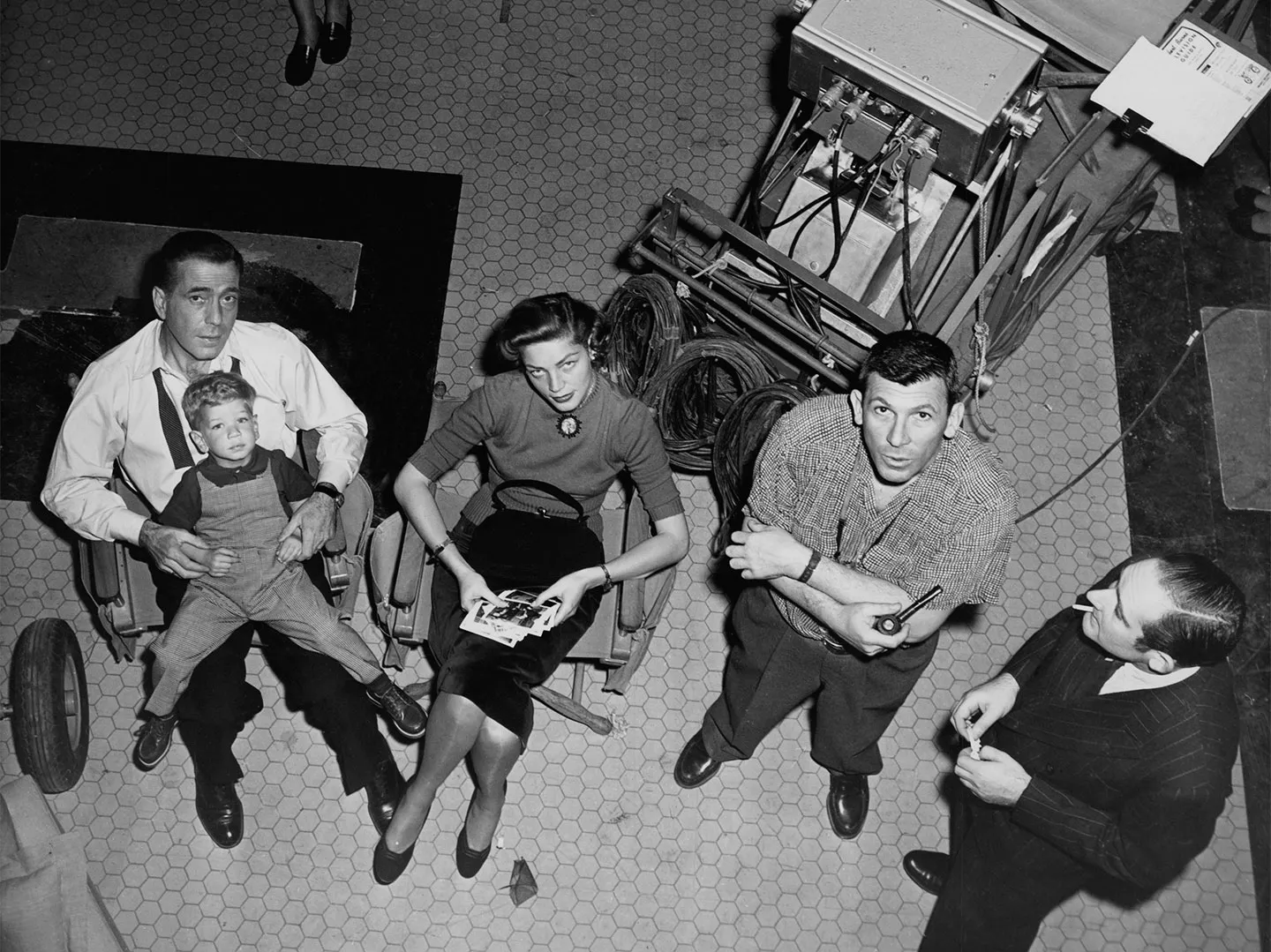
Privilege is not an exception to the system; it is part of it. People turn to meritocracy because it is comforting. The idea that hard work and ability ultimately find their rightful place functions as a kind of moral compensation for a chaotic reality and the injustices of everyday life. Yet even a cursory reflection on this premise leads to the recognition that no two life paths are ever the same. Some begin life supported by an extensive network of family connections that carries them forward; others with an empty space they must somehow fill. The difference lies not only in resources, but in the underlying sense that the world has a structure inclined to support you. It is a disparity that is almost impossible to overcome through effort alone. This is why nepotism appears as the most visible form of privilege, one that effectively declares: I am chosen because I belong. Pierre Bourdieu wrote of this as cultural capital, yet even without theoretical framing, it is enough to observe how confidence, manner of speech, taste, self-assurance, or connections are passed on - sometimes almost imperceptibly, from one generation to the next, and at other times quite openly, as a reminder of inequality acquired by birth or sustained by overly flexible systems of value.
To continue reading, please log in or activate your subscription.